


Mushrooms & Other Fungi of North Wales



Mushrooms & Other Fungi of North Wales 🍄
North Wales is one of the richest regions in Britain for fungi. From ancient Atlantic oakwoods and upland birch forests to sand dunes, mountain grasslands and damp river valleys, the sheer range of habitats creates ideal conditions for an astonishing diversity of species.
Fungi are the hidden foundation of these landscapes. They recycle nutrients, form vital partnerships with trees, shape woodland ecology and quietly underpin entire ecosystems. Yet most people only notice them when fruitbodies appear in autumn. In reality, fungi are active all year round — in the soil, in dead wood, inside living trees, and even within lichens.
This section of the website documents the species I’ve found and photographed across North Wales, building a growing archive of mushrooms, brackets, crusts, waxcaps, microfungi and more.
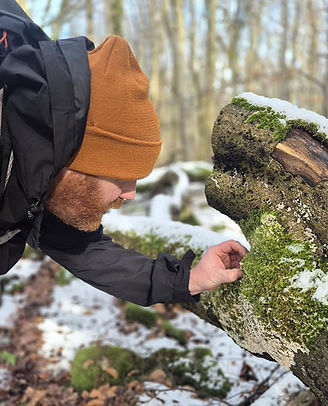
Fungi are not just something I photograph. They are something I work with
I’ve spent more than 20 years studying, recording and teaching people about the natural world, with fungi becoming an increasingly important part of my work.
I’m a fungi verifier for Cofnod, the Local Environmental Records Centre for North Wales, where I help check and verify fungal records from North-East Wales. Alongside this, I spend countless hours in the field finding and identifying fungi, recording species and habitats, and helping build a better picture of the region’s fungal diversity.
My work takes me from mountain woodlands and ancient trees to grasslands, coastal habitats and the often-overlooked green spaces around our towns and cities. I’m particularly interested in the species that are easily missed, the habitats that support them, and what individual records can tell us about the wider fungal landscape of North Wales.
Through my photography, videos, surveys, recording and fungi events, I want to make fungi easier to understand and harder to overlook. Because the more closely you look, the more you realise just how much of North Wales is alive with fungi.
Why North Wales is So Good for Fungi
The richness of fungi here comes down to a combination of climate, geology and habitat continuity.
The Atlantic influence brings regular rainfall and relatively mild temperatures, particularly in western areas and upland valleys. Moisture is critical for fungal diversity. Damp woodlands, shaded ravines and mossy uplands provide the stable humidity that many species require.
In places like Eryri, altitude adds another dimension. Upland birch woods, mountain heath and exposed grasslands support fungi more often associated with the Scottish Highlands. The mix of acidic soils, glacial deposits and rocky slopes creates microhabitats within microhabitats.
Meanwhile, lowland areas of Denbighshire and Conwy offer ancient parkland trees, unimproved grasslands and limestone influences, all of which host specialist fungi. Gwynedd brings both coastal dune systems and extensive upland habitats into the mix.
Few regions pack so much ecological variety into such a relatively small area.

Grassland & Waxcap Riches
North Wales is also important for its unimproved grasslands. These nutrient-poor meadows and upland pastures can host waxcap fungi — colourful, often jewel-like mushrooms that appear in autumn.
Species such as Hygrocybe coccinea (Scarlet Waxcap) or Hygrocybe pratensis (Meadow Waxcap) are indicators of long-established, low-input grassland. Their presence often signals a habitat of high conservation value.
In upland areas of Eryri, waxcaps can appear against short turf with mountain backdrops — one of the most striking autumn spectacles in the region.